About · The Founder
SafeHands is a caregiving app for keeping health information organized, current, and ready to share, whether you're managing your own health or someone else's. This is the story behind it.
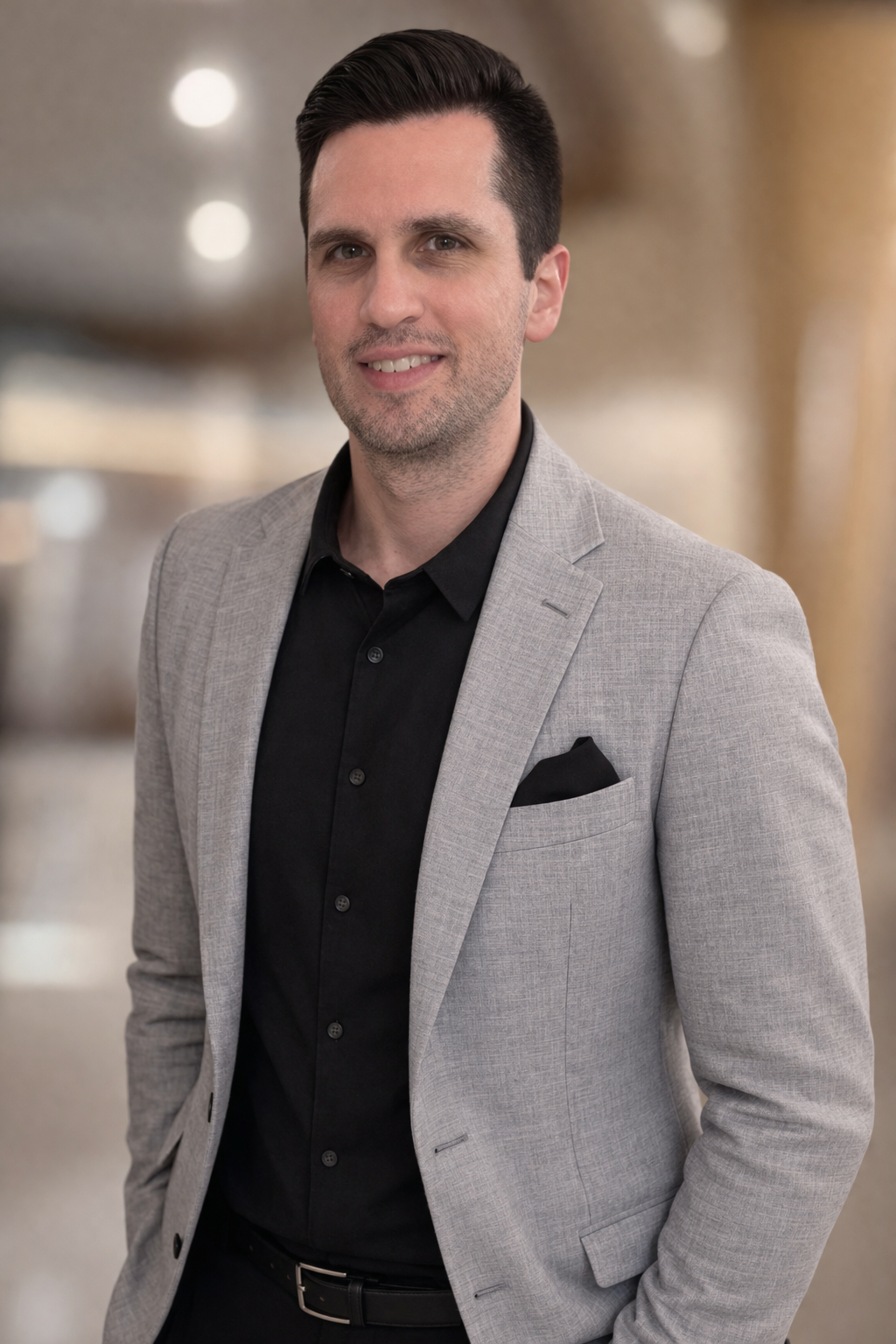
I'm quiet and reserved by nature; I'd rather listen than talk about myself. But if you're going to trust SafeHands, or the guides on this site, with your family's health information, you deserve to know who built it and why.
When I was about twelve, I started helping care for my father. He lived with multiple sclerosis (relapsing-remitting at first, secondary progressive in the later years) for roughly eighteen years. Over that time the disease slowly took things from him: steady legs, clear speech, easy swallowing, and eventually much of his independence. He needed help walking, transferring, and getting to and from the bathroom. My mother, my siblings, and I became his care team long before I ever heard that phrase.
I learned to help with his medications, his daily care, his transfers, and his doctor's visits. As the years went on, I learned to manage the equipment and watch for the complications that came with each new stage. Caring for him wasn't a chapter of my childhood; it was the setting.
Two habits from those years shaped everything I believe about caregiving. The first: have the information ready before you need it. When things went wrong, and with MS they did, our family could hand EMS and emergency-room nurses the pertinent information in moments, not in a panicked scramble through drawers. The second: keep a bag packed. Ours was a small backpack by the door with clothes, supplies, and medical information, ready for urgent moments.
Preparation never made the emergencies less frightening. It made them less chaotic. That difference is much bigger than it sounds.
We also had one advantage most caregiving families don't have today: we all lived under one roof, so communication mostly took care of itself. Even then, we felt the limits of paper and texting. Today, with siblings spread across cities and time zones, those limits strain family coordination every single day. It's why half the guides on this site exist.
People assume those years at home are why I became a nurse. Truthfully, no. I chose nursing because I knew I'd always have a job, and I stayed because I loved learning how the body works and what happens when it doesn't. I originally set out to become a nurse anesthetist for exactly that reason.
Instead, I spent about eight years in intensive care: first in the medical ICU, then in the cardiovascular ICU of a Level 1 trauma center in the Texas Medical Center, caring for some of the sickest patients in the country, including patients on ECMO, mechanical heart pumps, continuous dialysis, and fresh heart and lung transplants. Later I served as a hospital house supervisor for several years, and today I'm a director of quality and risk management, where I helped my rehabilitation hospital earn its Joint Commission certification.
I'll never be the person who claims to know everything. I'm not the most knowledgeable nurse you'll ever meet, and I'm wary of anyone in healthcare who talks like they are. But between growing up as a family caregiver and years in critical care, I've stood with hundreds of families on their worst days. Some walk through those days with steadiness. Others drown.
The difference is almost never love, intelligence, or effort. It's preparation: whether the right information can be found at the moment it's needed.
🩺
Years in intensive care at a Level 1 trauma center. I know what EMS, nurses, and doctors actually need from families, because I've been the one asking.
📋
My day job is making healthcare systems safer and clearer. SafeHands applies that same discipline to the home side of care.
❤️
The go bag by the door, the transfers, the appointments, the urgent moments. SafeHands exists because I needed it and it didn't exist.
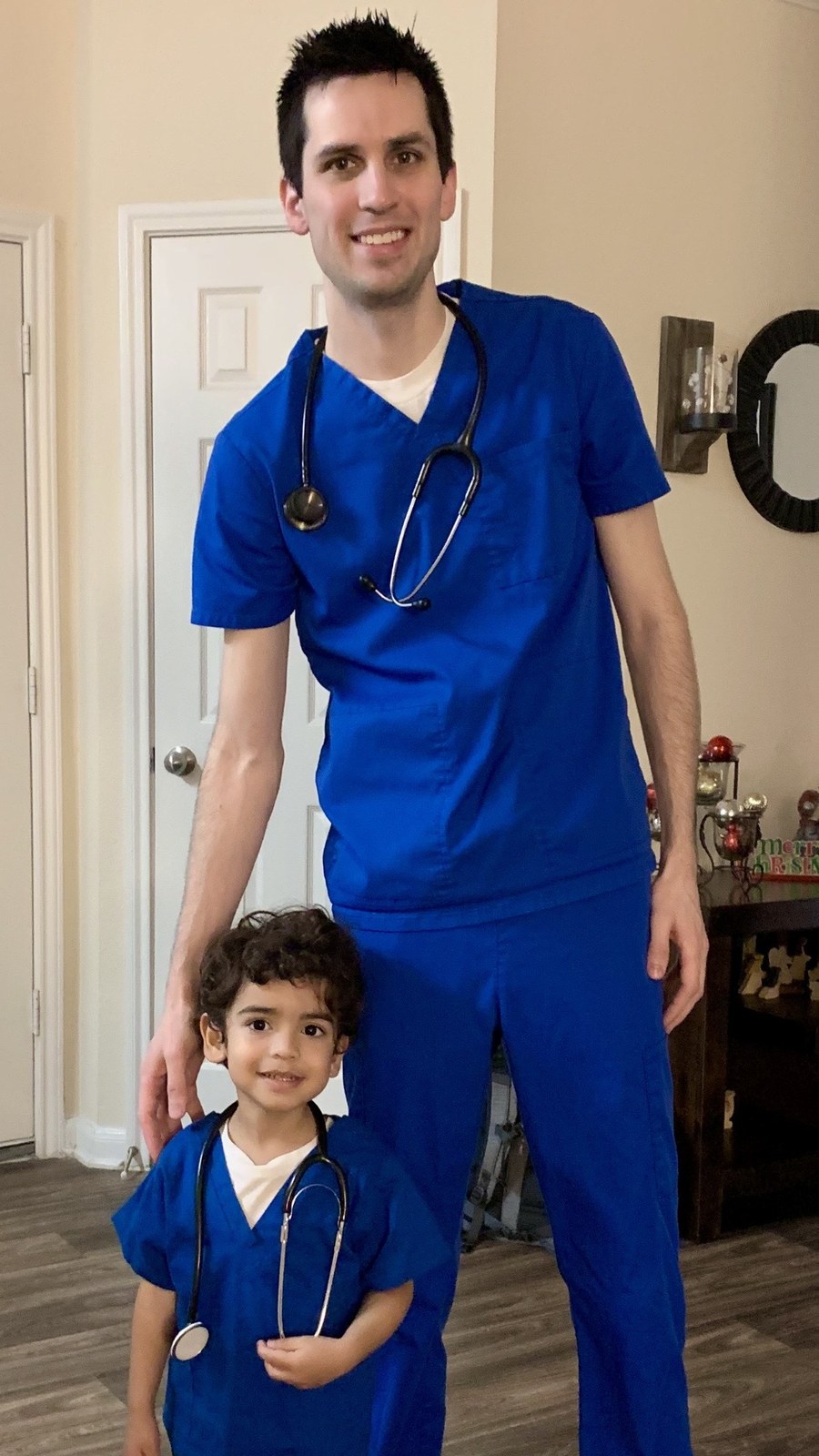
For eighteen years I helped keep my dad's care organized. Now I'm on the other side of it, keeping my son's history current and making sure it's ready to hand to whoever needs it next.
If organizing health information is this hard for a nurse, what is everyone else supposed to do?
A few years after my father passed, I was visiting my grandmother when she showed me how she kept track of her health. Her medication list was a piece of paper in her purse: cross-outs on top of cross-outs, some of them years old. Appointment cards from her doctors' offices hung on the refrigerator. A paper calendar on the counter tried to hold it all together, but it wasn't up to date, and it couldn't leave the house with her.
I remember standing in her kitchen thinking: I did this for eighteen years, and I work in healthcare every day, and there has to be a better way to organize all of this. The idea for SafeHands arrived a few days later.
That thought wouldn't leave me alone. When I went looking for an app, I found two kinds: medical-grade portals built for clinicians, and simple pill reminders that couldn't hold a whole person's story. Nothing was built for the person in the middle: the daughter, the husband, the friend who suddenly becomes the keeper of someone else's health. So I built it.
SafeHands is the tool I wish my family had: one calm place for the medication list, the conditions, the care team, and the documents, all current, organized, and shareable with an ER nurse or a new specialist in seconds. A go bag for information.
It's deliberately not a clinical tool. It won't diagnose, and it will never replace your care team. When urgent moments come, its Guidance section walks you through them calmly, step by step: what to do first, what to watch for, and when to call for help, drawn from established sources and always pointing you toward the right level of care. But the heart of SafeHands is organization, because in my experience, organized is what families actually need, and calm is how they need it delivered.
Every guide and every printable helps you organize, document, and share. Treatment questions belong to your care team.
Caregiving is stressful enough. Your tools shouldn't add to it.
The Resource Center and the printable kit are free whether or not you ever download the app.
No ads, no data brokers, and your health information is never sold.
And if a two-dollar binder from the dollar store does the job for your family, the guides here will show you exactly how to set it up. That's the deal.
If you're new, start with the Complete Caregiver Binder Guide (it includes the free printable kit) or browse the Resource Center. And if SafeHands can lighten your family's load, it's free to download for iOS and Android. If something is missing, or a guide you needed doesn't exist yet, tell me. I read every message myself.